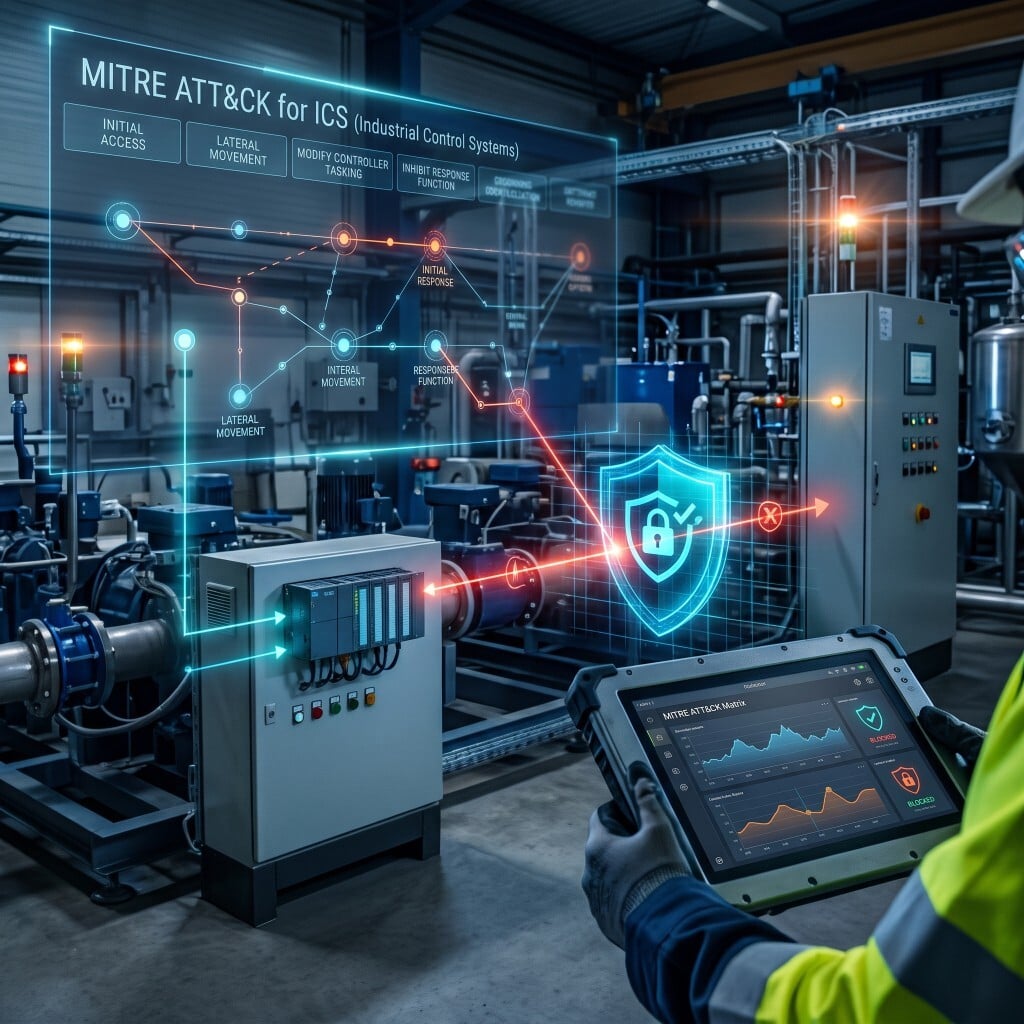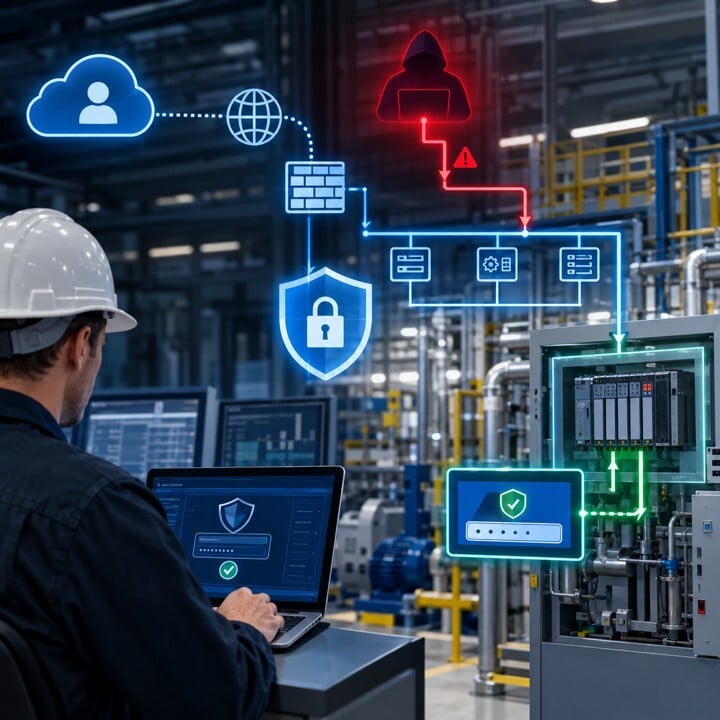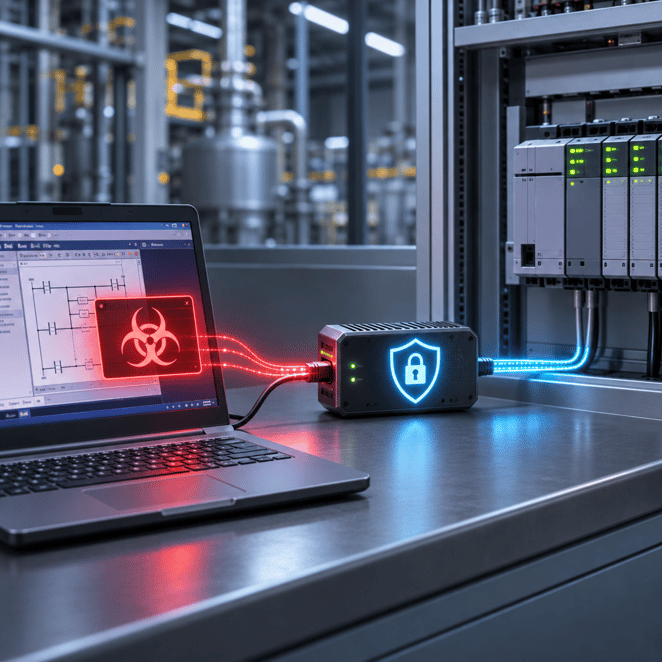
The most privileged asset in industrial control systems is rarely the central control room server. It is the engineering workstation (EWS) deployed by operational engineers. The EWS compiles control logic, updates firmware, and defines the operational thresholds of programmable logic controllers (PLCs). According to ICS vulnerability datasets from the Cybersecurity and Infrastructure Security Agency (CISA) and industrial cybersecurity research, vulnerabilities associated with EWS and engineering software account for approximately 58% of all reported OT/ICS flaws. When combined with controller-level vulnerabilities at roughly 29%, more than 85% of industrial vulnerabilities concentrate along this engineering pathway. The moment an engineering terminal is compromised, the entire physical control layer is effectively exposed.
Software Infection and the Flaw of Unconditional Packet Trust
Engineering workstations operate on standard commercial operating systems, exposing them to standard IT infection vectors such as phishing emails, shared maintenance USB drives, and flawed software update procedures. As joint security advisories from CISA and the FBI emphasise, a compromised EWS acts as a master key across the OT environment. The critical vulnerability emerges once that terminal falls under adversary control.
Most legacy PLCs are designed to place implicit trust in traffic arriving from an EWS. When malicious scripts or remote access tools execute through an engineering interface, instructions to alter ladder logic or force write operational parameters conform entirely to legitimate protocol syntax. Legacy controllers possess no internal mechanism to evaluate whether a valid engineering instruction originated from a human engineer or an unauthorised background process. The controller simply accepts the packet and runs the code.
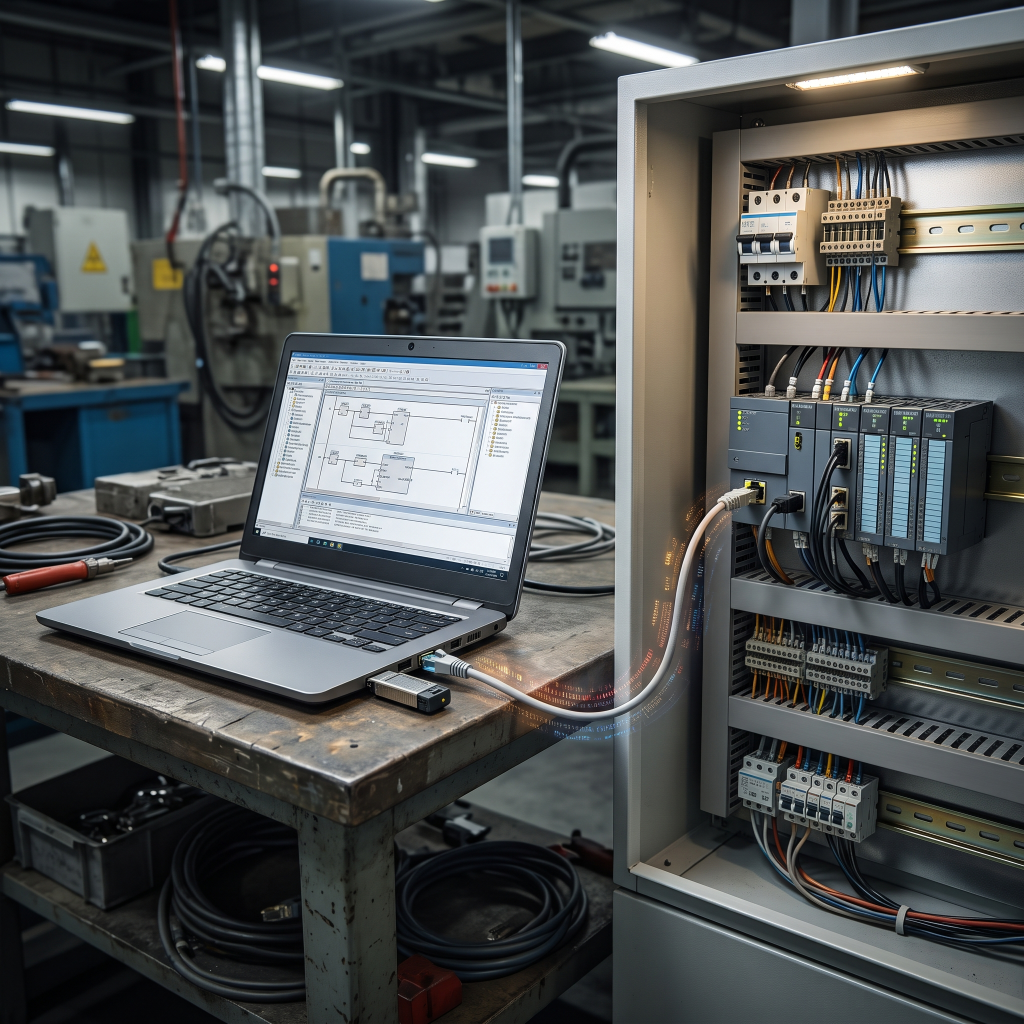
Decoupling Terminal Trust from Controller Access
Standard IT endpoint detection and response (EDR) or operating system patch management cannot reliably stop the physical manipulation of field machinery. Over 70% of reported EWS and controller vulnerabilities carry a CVSS score of 7.0 or higher, frequently enabling remote code execution and unauthenticated command delivery. Because these attacks weaponise native engineering tools, malicious actions routinely bypass signature-based detection and passive network monitoring. According to research by the SANS Institute, unplanned downtime resulting from logic disruption averages $260,000 per hour, with manual logic verification and recovery often requiring weeks of operational standstill. Mitigating this risk requires accepting terminal compromise as an operational reality and shifting the point of defence to the controller interface itself.
The core objective of least privilege within IEC 62443 relies on decoupling terminal trust from controller access rights. Static shared passwords and permanently open engineering paths ensure that an infected workstation results in immediate operational compromise. Industrial facilities require an independent authorisation layer capable of verifying access rights at the exact point of connection, functioning autonomously without reliance on continuous external network connectivity. Enforcing rigorous, independent access validation at the controller decouples the integrity of physical machinery from the security posture of the workstation.
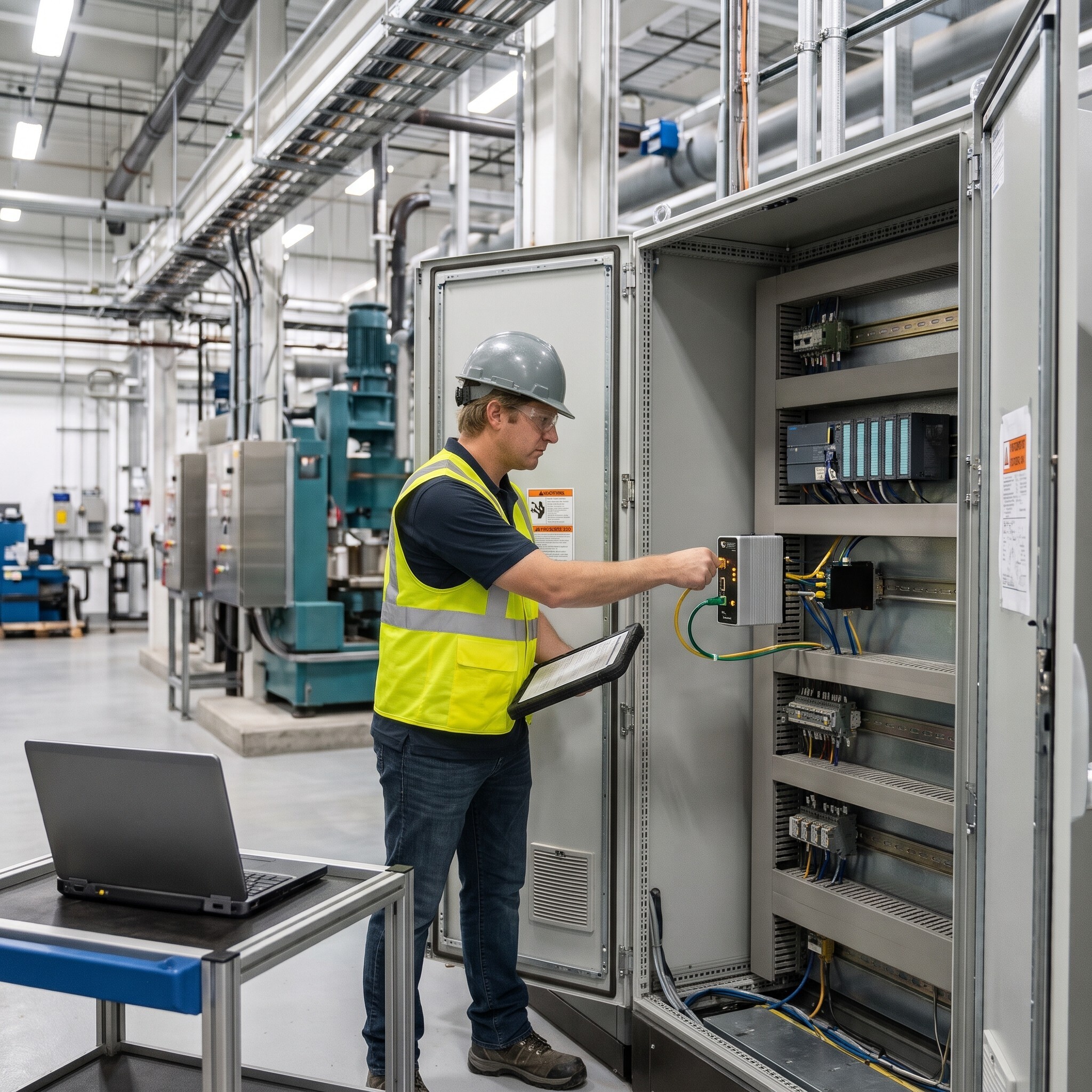
Non-Intrusive In-Line Defence for Operational Continuity
Undertaking a fleet-wide rip-and-replace overhaul of legacy PLCs or modifying validated engineering software is economically and operationally prohibitive. Operational resilience demands non-intrusive in-line inspection architectures that integrate cleanly ahead of legacy controllers without requiring firmware rewrites or logic recompilation.
The absolute authority granted to engineering workstations, paired with the uncritical trust of legacy field controllers, forms the most acute structural vulnerability across modern manufacturing. Moving beyond perimeter-bound endpoint security to establish independent, controller-level access validation ensures that compromised management terminals cannot be leveraged into physical industrial disruption.
--------------------

swIDch will continue its quest to innovate and pioneer next-generation authentication solutions. To stay up-to-date with the latest trends sign up to our newsletter and check out our latest solutions.