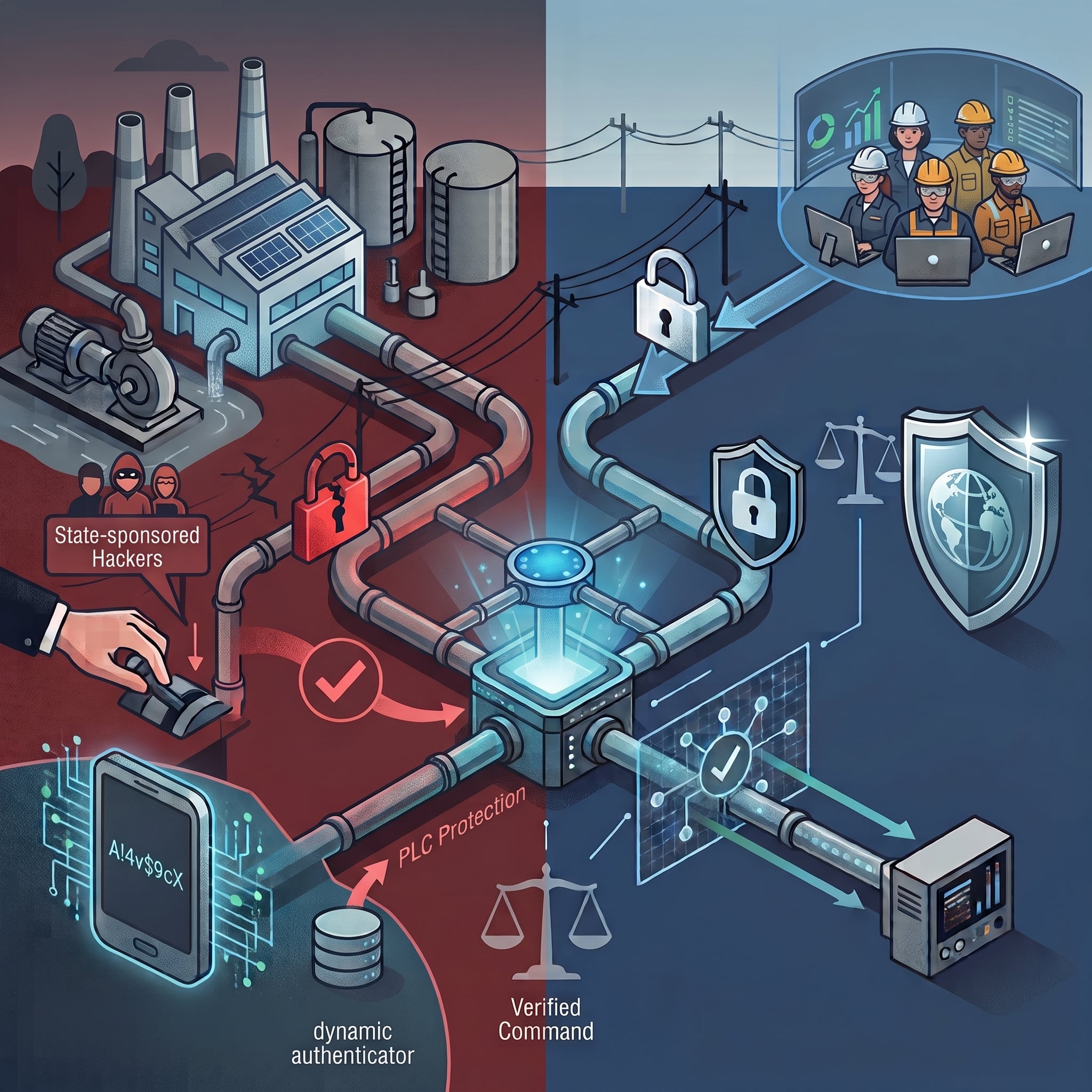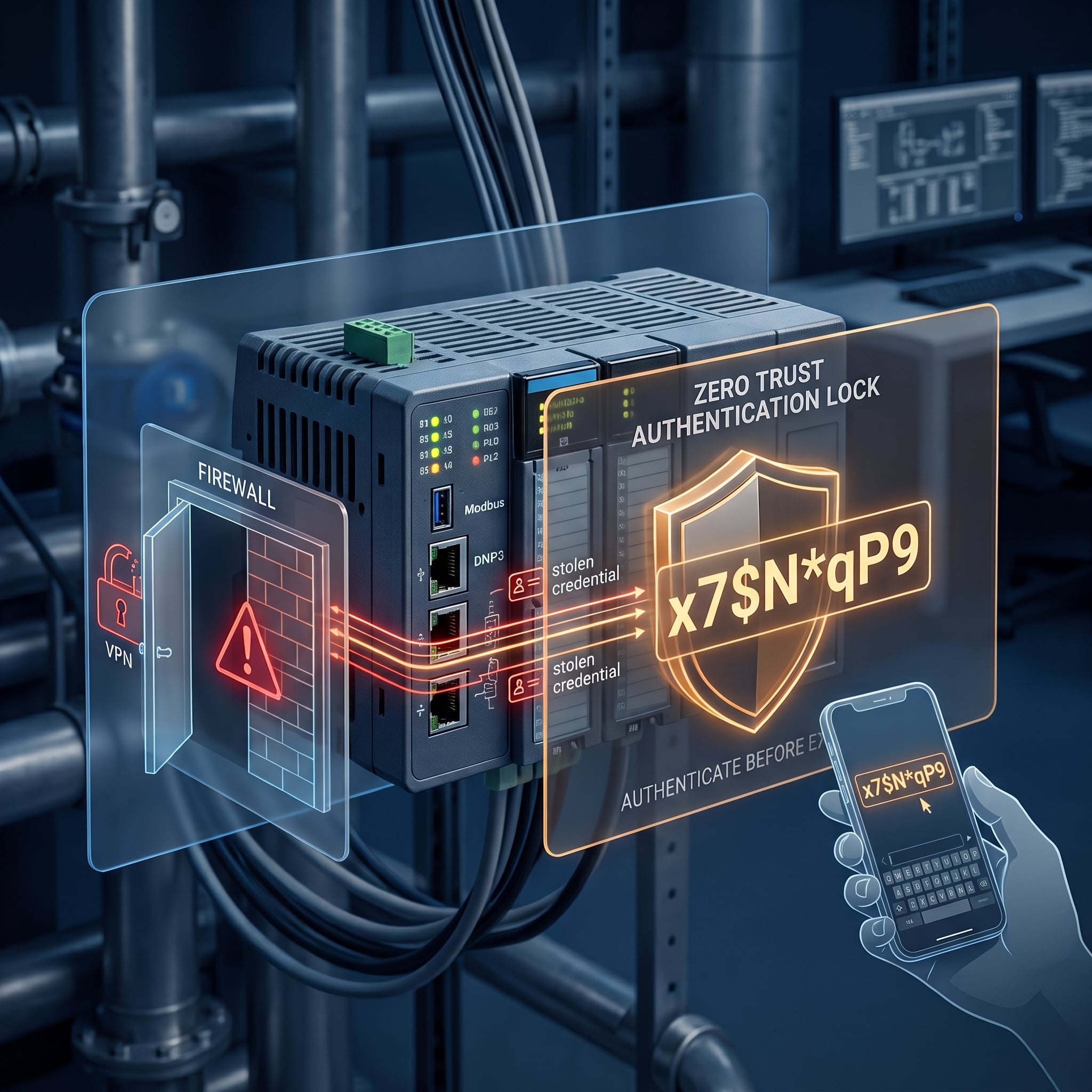
As external vendor access becomes essential for modern industrial operations, network segmentation and the principle of least privilege have become foundational compliance mandates. However, traditional Purdue Model boundaries are failing under the weight of expanded remote entry points. According to recent findings from Forescout, only 13 per cent of global OT network segments are fully isolated, with the vast majority maintaining direct or indirect paths to external remote access infrastructure. Once a threat actor leverages compromised vendor credentials to cross a perimeter VPN, network boundaries cease to act as barriers, creating an open pathway to penetrate and bypass controls down to Level 1 programmable logic controllers.
The operational reality of remote maintenance vulnerabilities

Remote access channels established for third-party maintenance function as legitimate entry points directly into internal OT environments. The risks of this access model were clearly demonstrated when threat actors exploited unpatched controller vulnerabilities and vendor remote maintenance channels across 700 European supermarket refrigeration systems, overriding defrost cycles and causing widespread stock destruction. Furthermore, recent research from Booz Allen Hamilton revealed that autonomous AI tools can navigate unfamiliar OT networks and manipulate physical machinery in just 16 minutes without prior engineering documentation, exposing the fatal limits of relying on closed networks and proprietary protocols for security.
When an adversary uses legitimate maintenance credentials to pass through boundary firewalls, excessive access permissions allow them to move laterally across internal segments. If perimeter segmentation fails to enforce strict command-level execution control at the endpoint, regulatory bodies such as CISA and the FBI classify the architecture as a breach of due care and a failure of least privilege enforcement.
Regulatory demands for command level least privilege enforcement

The draft NIST SP 800-82r4 guidelines and EU NIS2 Article 21 move beyond basic network isolation to mandate Privileged Access Management and strict Credential Separation for remote maintenance accounts. International cyber authorities consistently warn that granting excessive permissions to third-party ICS integrators creates critical infrastructure exposure, urging operators to enforce access strictly limited to necessary tasks.
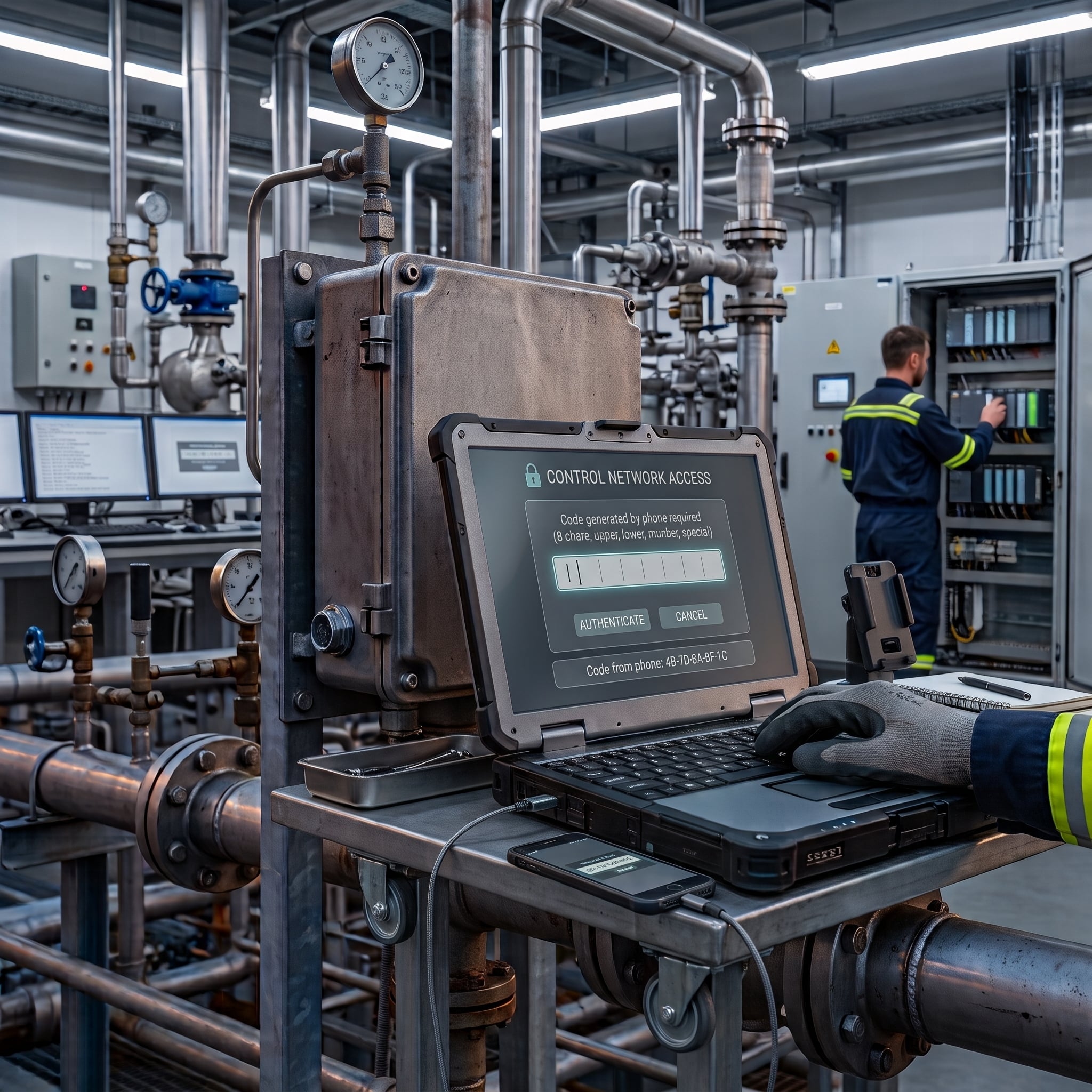
While network segmentation governs how far a user can travel into an architecture, the principle of least privilege is only satisfied when execution rights for specific commands are independently controlled. Even after a vendor successfully authenticates to a remote network session, modifying a controller program or issuing an override instruction requires an isolated identity re-verification step. Enforcing dynamic authorization directly before command execution ensures that compromised credentials or automated exploit tools are blocked from triggering destructive physical actions at the endpoint.
Protecting executive leadership without risking costly downtime
Attempting to enforce least privilege at the endpoint by reconfiguring complex network switches or modifying legacy PLC source code introduces severe operational risks. With unplanned manufacturing downtime costing an average of $260,000 (approximately £200,000) per hour, rip-and-replace overhauls face immediate rejection from plant management and cannot offer a viable path forward.
Deploying a lightweight, non-intrusive identity verification layer directly in front of legacy endpoints provides the most practical resolution. By validating command execution rights using unidirectional dynamic authentication codes prior to instruction processing, organisations achieve strict endpoint-level least privilege without network re-architecting or operational disruption. This non-intrusive approach enables CISOs to mitigate remote maintenance risks, satisfy global compliance mandates, and maintain uninterrupted business continuity.
--------------------

swIDch will continue its quest to innovate and pioneer next-generation authentication solutions. To stay up-to-date with the latest trends sign up to our newsletter and check out our latest solutions.