Industrial organisations are currently pouring billions into firewalls and micro segmentation to prevent lateral movement within their networks. However this expensive fortress gives executives a fatal illusion of safety. According to the highly respected 2025 Verizon Data Breach Investigations Report a staggering 30% of all cyber breaches now originate through third party vendors and supply chains which is a figure that has doubled since the previous year. When a hacker holds the legitimate static credentials assigned to a partner maintenance channel multi million pound network separation equipment is rendered completely useless.
The collapse of perimeter defence against disguised traffic
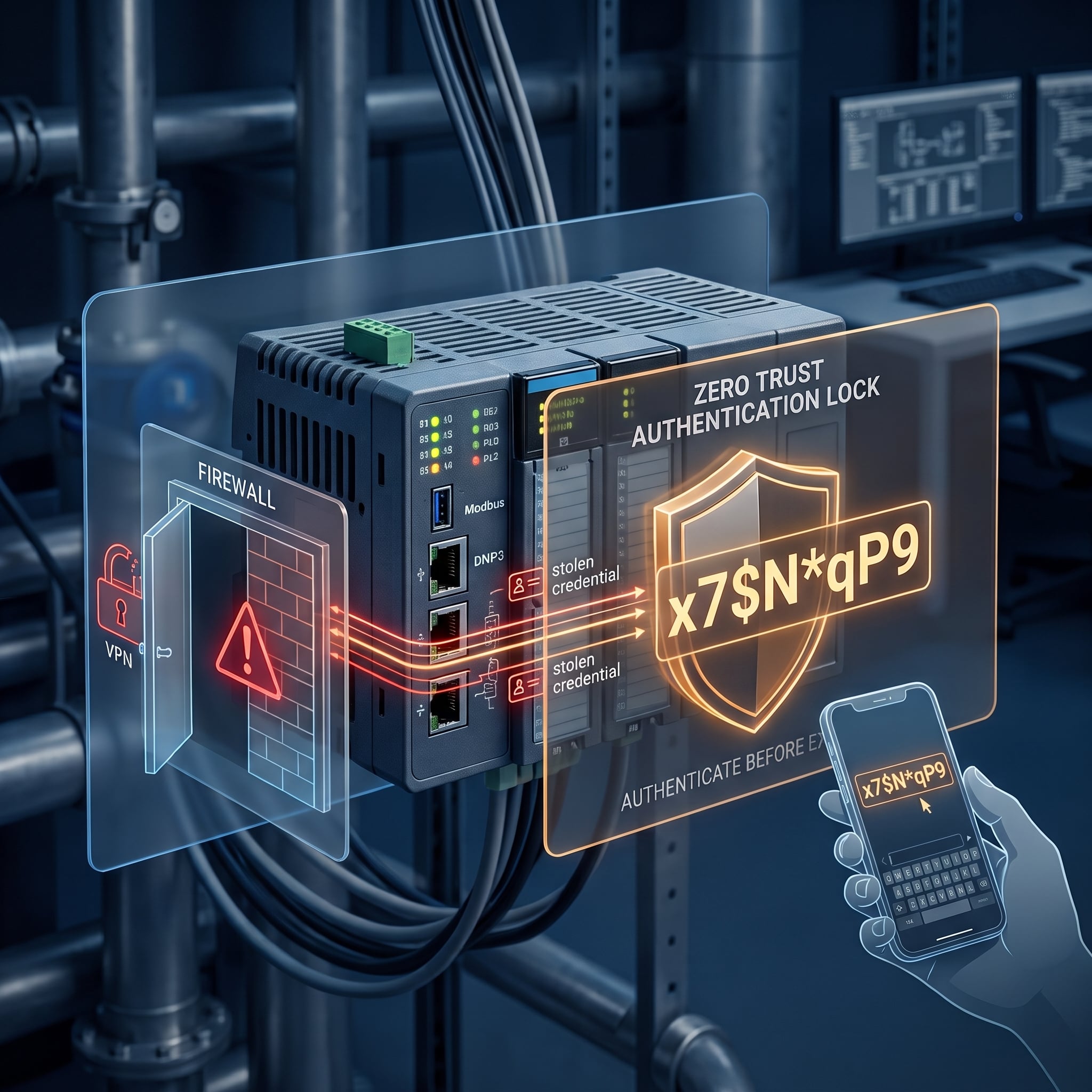
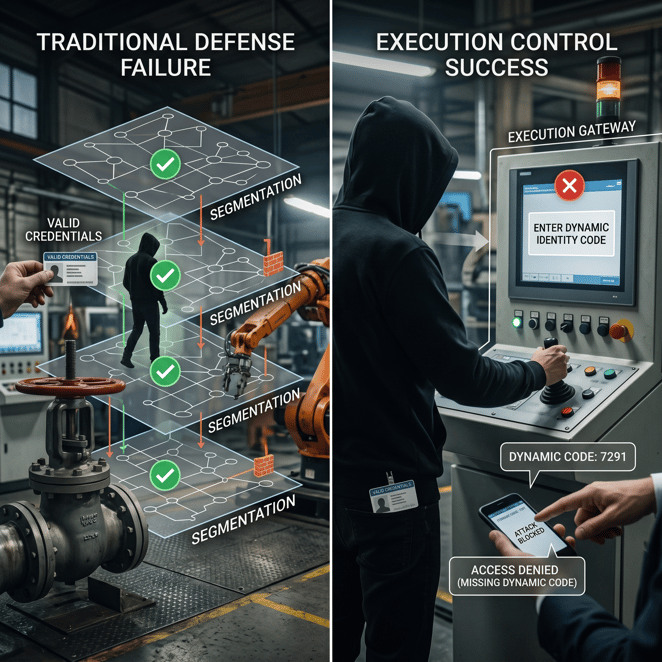
Competitors claim that slicing the network into micro segments and monitoring traffic guarantees safety. Yet the Palo Alto Networks 2026 Unit 42 Global Incident Response Report sternly warns that static checkpoints at the front door are no longer sufficient as a means of defence. Attackers no longer waste time searching for zero day vulnerabilities in robust firewalls. Instead they use stolen session tokens and static passwords to bypass perimeter security disguised as regular users. No matter how finely you fragment your network the routing equipment cannot determine the true malicious intent of a user presenting a valid identity card.

The global IT research firm Gartner is also strongly advising organisations to abandon the traditional method of granting permanent access rights and transition immediately to a Zero Standing Privileges environment. A hacker logging in with stolen credentials does not even need to plant malware. They simply exploit the standard management tools already installed on the system to reach the deepest core of your control infrastructure.
The catastrophic financial cost of a 292 day dwell time
The most painful aspect of an attack using legitimate access is that the system entirely fails to detect the time these threat actors spend lingering inside the network. The IBM Cost of a Data Breach Report reveals that incidents involving stolen credentials take an average of 292 days to identify and contain making it the most prolonged attack vector. A fragmented network simply views the hacker traffic arriving from an authorised IP with an administrator account as normal industrial protocol commands and fails to trigger a single warning alarm.

Allowing a hacker to roam freely across internal networks for nearly a year to identify process vulnerabilities and calculate the optimal time to strike is akin to handing them a ticking time bomb. This scenario escalates far beyond simple data theft. It leads directly to physical equipment sabotage and massive operational downtime. Ultimately the enterprise is left facing a financial catastrophe forced to absorb tens of millions of pounds in recovery costs alongside crippling regulatory fines.
Moving from network monitoring to strict execution control
The board must confront the severe financial risks brought about by this unconditional network trust model. Organisations must discard the outdated approach that allows open pipeline access after a single login and immediately shift their defensive focus to the final execution gateway where the physical machinery actually operates. Executives must accept the reality that blocking phishing or supply chain attacks from entering the internal network is practically impossible. Strict control must be enforced at the precise moment before a critical command to open a valve or start a motor reaches the hardware.
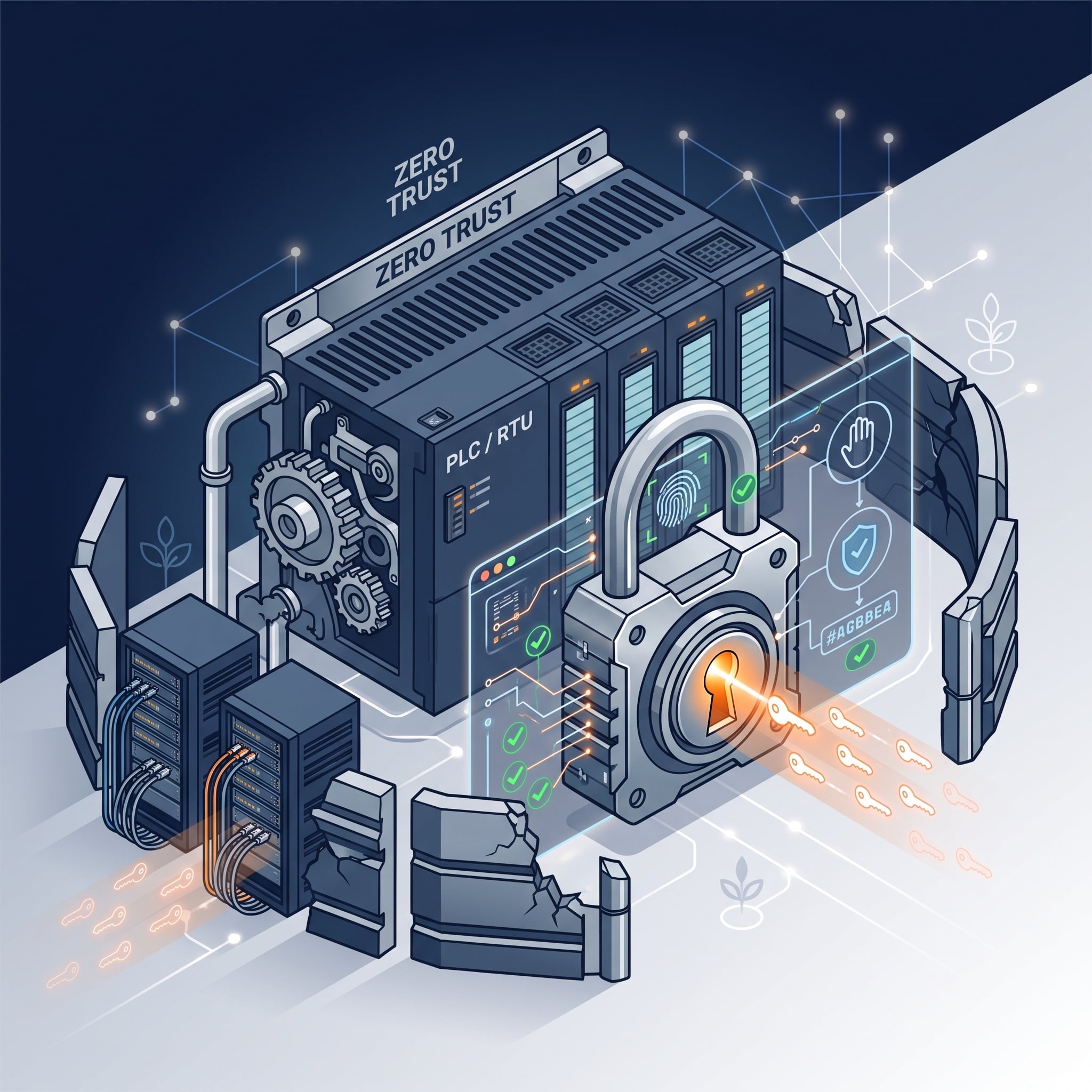
True industrial resilience is achieved through the strict integrity verification of the final command rather than mere network approval. When an operator issues a control command to an HMI or PLC the architecture must unconditionally demand a newly generated one time dynamic identity code as a prerequisite for physical execution regardless of their system access level. Even a hacker who has compromised a legitimate account and bypassed every security segment in the network will find it impossible to manipulate any physical process without presenting this real time dynamic code. Moving beyond visibility and network pipe monitoring to directly control the execution of the machine itself is the only definitive solution to neutralise hackers disguised with legitimate credentials.
--------------------

swIDch will continue its quest to innovate and pioneer next-generation authentication solutions. To stay up-to-date with the latest trends sign up to our newsletter and check out our latest solutions.