Cybersecurity Innovation for a Resilient Energy Future


Cyber Risks in Energy
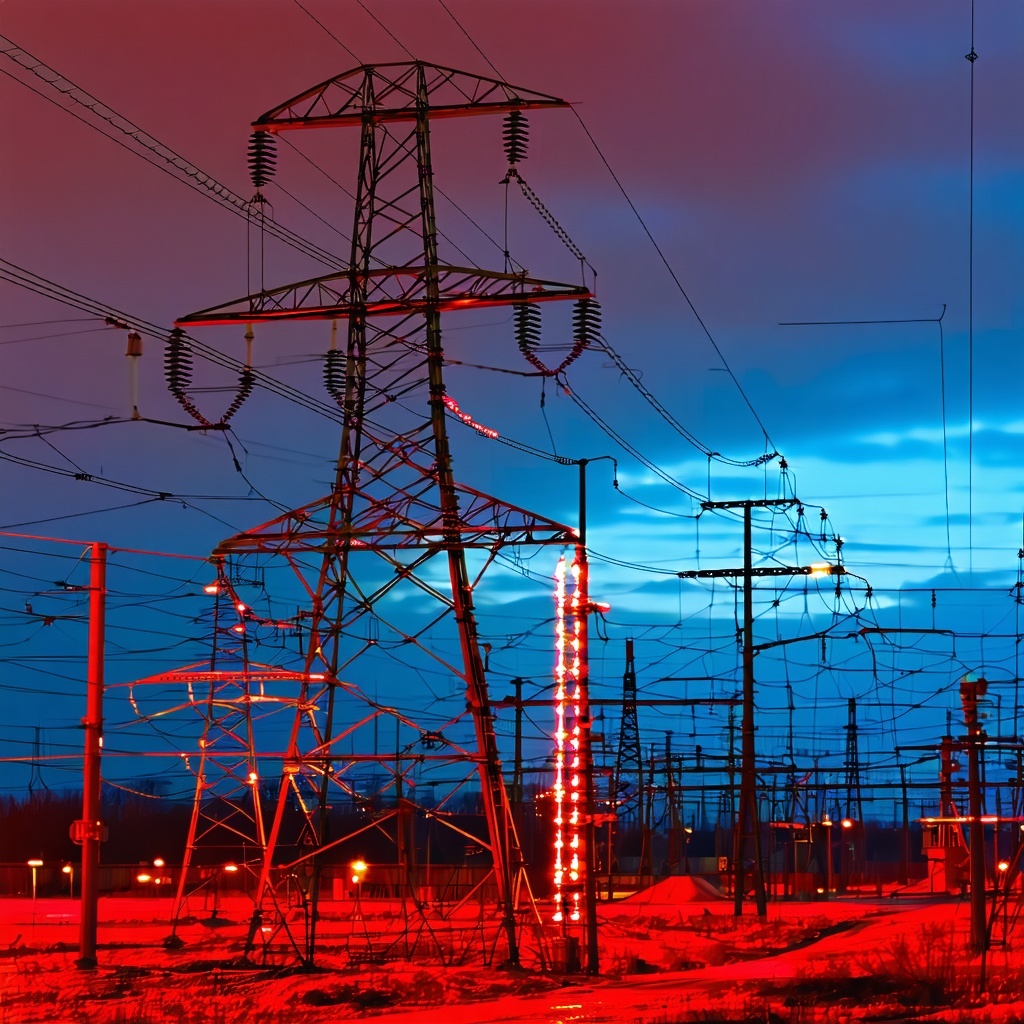
The energy sector—covering electricity, gas, oil, and hydrogen—is a prime target for cyberattacks due to its critical role in national infrastructure. Any disruption can have severe consequences, including power outages, fuel shortages, financial losses, and safety hazards. Recent incidents, such as the 2026 attack on a Polish energy facility via a private APN, show that even connections long considered low-risk—including cellular and mobile networks—are now being used as pivot points into OT systems.
Regulatory Pressure: Strengthening Security Under Compliance
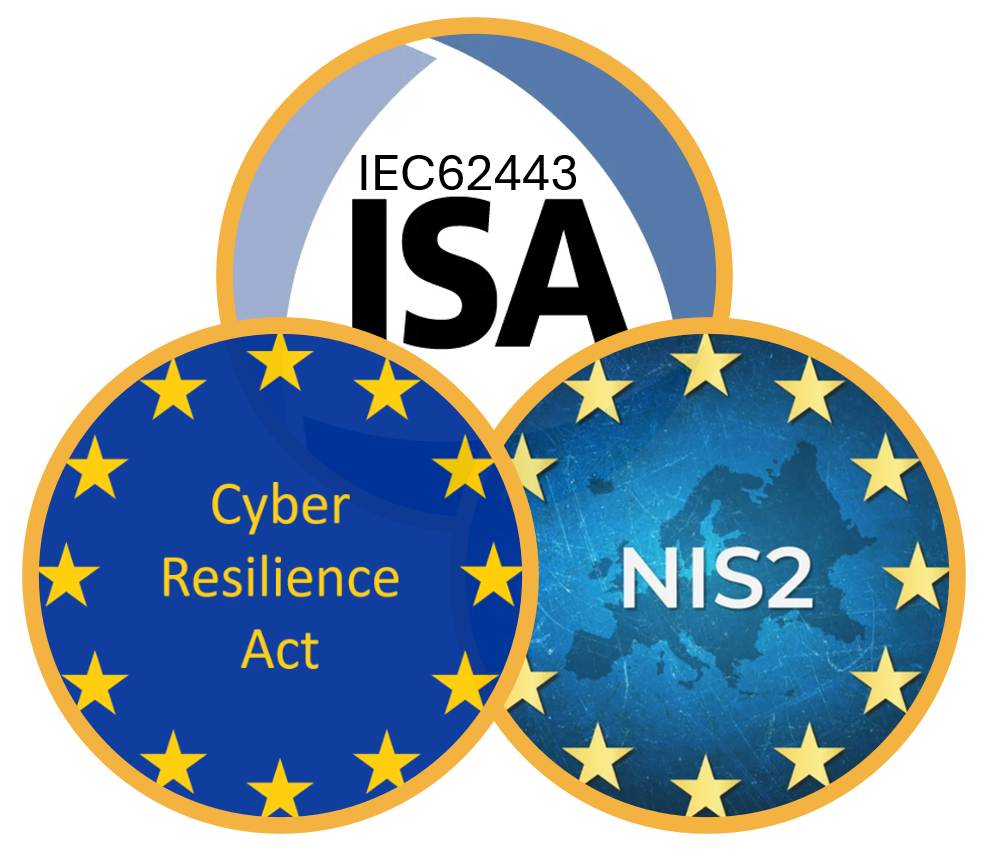
Governments and industry regulators worldwide have introduced stricter cybersecurity mandates to protect energy infrastructure from cyber threats. Regulations such as NIS2, NERC CIP, IEC 62443, and the Cyber Resilience Act (CRA) enforce strong authentication, secure remote access, and OT system protection. Compliance is essential to prevent disruptions, financial penalties, and security breaches.
Notable Attacks on the Energy Sector

2026: Private APN Attack Hits Polish Energy Facility
Hackers sabotaged a second Polish energy facility by pivoting through a private APN—a mobile network long considered low-risk. CERT.PL identified it as the first known case of an APN being used as an OT attack vector, exposing cellular remote access as an emerging threat.

2021: Colonial Pipeline Hack (USA)
A ransomware attack on one of the largest fuel pipelines in the US forced operations to shut down for nearly a week, leading to fuel shortages and panic buying. The company paid a $4.4 million ransom to restore operations, highlighting the vulnerability of critical energy infrastructure.

2015 & 2016: Ukraine Power Grid Attacks
Cyberattacks on Ukraine’s power grid led to widespread outages, affecting hundreds of thousands of people. These attacks demonstrated how malicious actors can infiltrate operational technology (OT) systems and disable critical infrastructure remotely.
Benefits of OT Auth Solutions
Energy companies must secure their operational technology (OT) environments while complying with regulations such as NIS2, IEC 62443, and the UK’s NCSC guidelines. swIDch’s OT authentication solutions—PLC OTAC and OTAC Trusted Access Gateway (TAG)—help energy providers eliminate security vulnerabilities and protect critical systems from cyber threats.
Why OT Authentication is Essential for the Energy Industry
Regulatory Compliance
Security in Air-Gapped Environments
Secure Remote Access for Critical Systems
Protection Against OT Cyber Threats
How OT Auth solutions work
Traditional authentication methods rely on static passwords or network-based verification, making them vulnerable to cyberattacks such as phishing, credential theft, and replay attacks. swIDch’s OT authentication solutions eliminate these risks by generating dynamic, unidirectional authentication codes that do not require network connectivity.
How It Enhances Security in the Energy Sector:
🔹 Ensures only authorised personnel can access critical systems—even in offline or air-gapped environments.
🔹 Protects against credential-based attacks, reducing the risk of unauthorised access.
🔹 Simplifies deployment without requiring any modification of PLCs, ensuring minimal disruption to existing OT infrastructure.
By adopting swIDch’s OT authentication solutions, energy providers can strengthen cybersecurity, meet regulatory requirements, and prevent operational disruptions caused by cyber threats.
Energy Security FAQs
-
Private APNs are more isolated than the public internet, but they are not immune to compromise—as shown by a 2026 attack that used a private APN to pivot into a Polish energy facility. Because PLC OTAC generates authentication codes independently of any network connection, it adds a layer of protection that remains effective even if the underlying network, cellular or otherwise, is compromised.
-
It prevents unauthorised access to critical energy infrastructure by replacing static credentials with dynamic authentication codes.
-
They support compliance with NIS2, IEC 62443, and other regulations by enforcing strong authentication and secure access control.
-
Yes, it secures both on-premises and remote access to control systems without adding complexity to operations.
Award Highlights